
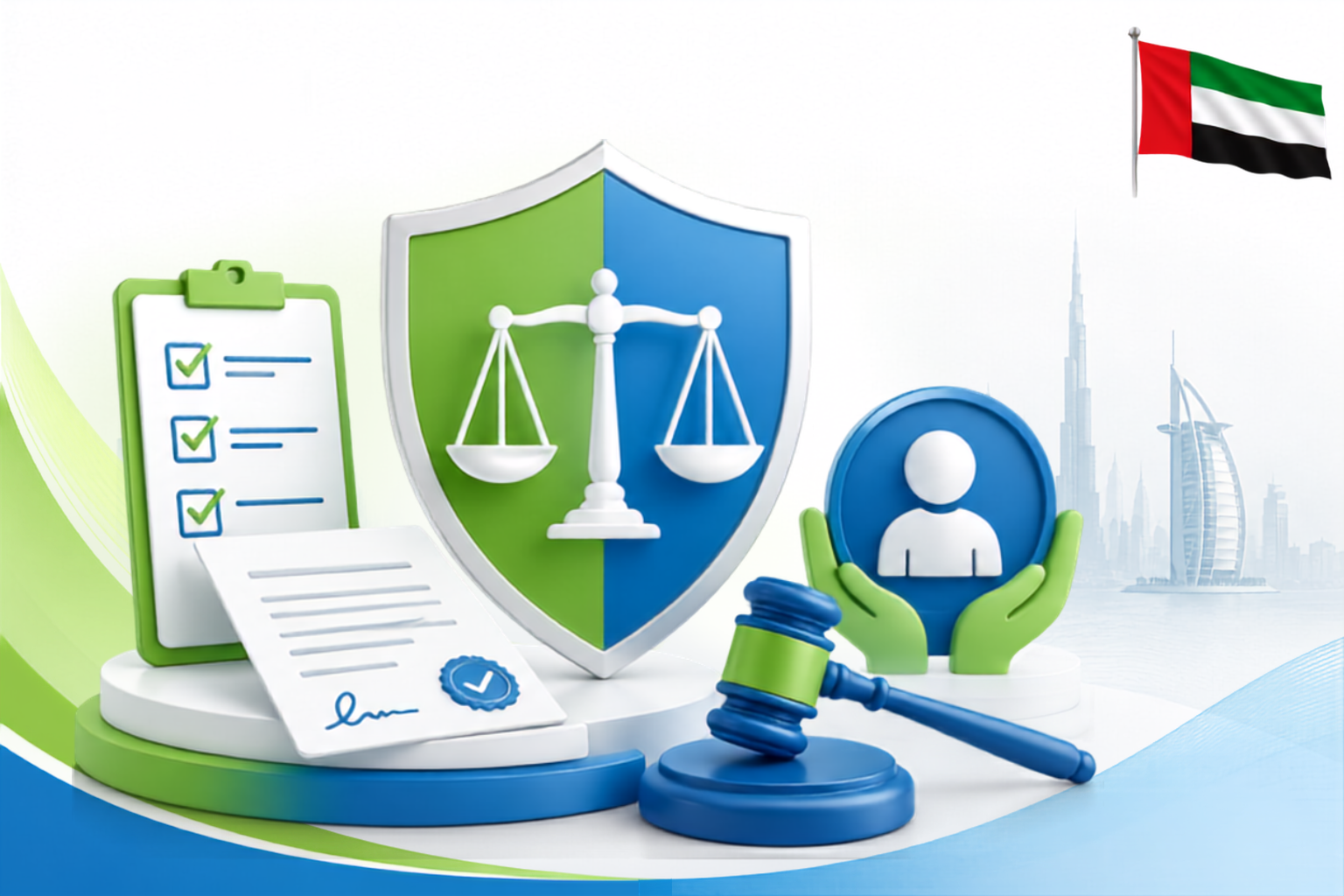
Debtor Rights and Collector Limits in the UAE: What Businesses and Debtors Need to Know in 2026
The debt collection landscape in the UAE is strictly regulated to balance the rights of creditors to recover what they are owed with the fundamental rights of debtors to be treated fairly and with dignity. Whether you are a business pursuing an unpaid invoice or an individual or company facing financial difficulty, understanding debtor rights in the UAE and the legal limits on what debt collectors can do is essential both to protect yourself and to ensure your recovery process stays within the law.
The UAE Civil Transactions Law and the licensing requirements set by the Department of Economic Development (DED) establish the framework within which all debt collection compliance in the UAE operates. Violations by collectors carry serious consequences: fines, loss of operating licence, and in some cases criminal liability, making ethical, compliant collection practice not just a legal obligation but a commercial necessity.
What Debt Collectors Cannot Do in the UAE: Legal Limits on Collection Practice
UAE law places clear prohibitions on debt collection conduct. These apply equally to creditors collecting directly and to licensed collection agencies acting on their behalf. A creditor whose appointed agency engages in prohibited conduct carries legal risk alongside the agency itself.
1. Harassment and Intimidation Are Prohibited
Debt collector harassment in the UAE is explicitly prohibited. Collectors may not use threatening or abusive language, make threats of physical harm, or contact debtors at unreasonable hours, specifically outside standard business hours, unless the debtor has explicitly agreed to contact at other times. Repeated calls designed to intimidate rather than communicate constitute harassment under UAE debt collection law. A single, professional follow-up call is permitted; a pattern of repeated calls within a short period designed to cause distress is not. Debtors who experience harassment have the right to file complaints with the police or the relevant consumer protection authority in their emirate.
2. Breach of Debtor Confidentiality Is Prohibited
A debt collector, whether the original creditor or a licensed agency, cannot disclose a debtor's financial situation, the existence of a debt, or any details of a collection case to third parties without the debtor's explicit consent. This prohibition specifically covers employers, family members, colleagues, and business associates. Contacting a debtor's employer to report or imply financial difficulties is a serious compliance violation under UAE Civil Transactions Law and can expose the collector to a formal complaint, regulatory penalty, and civil liability. All communication about a debt must remain strictly between the collector and the debtor.
3. Deceptive Practices Are Prohibited
Collectors cannot misrepresent themselves as law enforcement officers, court officials, government representatives, or lawyers if they are not. They cannot threaten legal action such as court proceedings, asset seizure, or travel bans that they do not have the authority or the genuine intention to initiate. Fabricating urgency, falsifying documentation, or inflating the amount claimed beyond what is legally owed are all deceptive practices that violate UAE debt collection compliance standards. A licensed debt collection agency in the UAE must hold a valid DED trade licence specifically covering collection activities and must train staff on these prohibited conduct standards before deploying them in contact with debtors.
Debtor Rights and Protections Under UAE Law
UAE law provides several meaningful protections for debtors, both individuals and businesses, that are relevant at different stages of the debt recovery process. Understanding these protections helps debtors engage with collectors from an informed position and helps creditors avoid inadvertently overstepping the legal framework.
1. The Right to Written Verification of the Debt
A debtor has the right to request clear, written documentation of the debt before engaging with any payment demand. This documentation must show the exact amount claimed, how that figure was calculated (including any interest or fees added), and the source or contract from which the debt arises. A collector who cannot or will not provide this documentation on request is operating outside their legal entitlement. If the amount claimed differs materially from the debtor's own records, a formal written dispute should be raised immediately, and the collector is obligated to pause active collection until the discrepancy is resolved.
2. Protection Under UAE Insolvency and Bankruptcy Law
For businesses or individuals facing genuine insolvency where debts have become insurmountable rather than temporarily difficult, Federal Decree-Law No. 51 of 2023 (UAE Bankruptcy Law) provides a formal legal framework for debt restructuring in the UAE through court supervision. Under these provisions, a debtor can apply to the court for a restructuring or debt repayment plan, which provides a period of protection from immediate asset seizure or enforcement action while the restructuring is negotiated and implemented. This is not an avenue to avoid legitimate debts; it is a mechanism for orderly resolution when the debts genuinely cannot be paid in full immediately. Creditors with claims against a debtor in bankruptcy proceedings must register their claims promptly to participate in the restructuring process.
3. Bounced Cheques Civil Enforcement, Not Automatic Imprisonment
The decriminalisation of most bounced cheques under the Commercial Transactions Law (Federal Decree-Law No. 50 of 2022) was one of the most significant shifts in debtor rights in the UAE in recent years. A cheque returned for insufficient funds is now treated primarily as a civil enforcement matter; the creditor takes it directly to the Execution Court as an executive deed, which can result in bank account freezes, asset seizures, and travel bans on the signatory. However, the debtor no longer faces automatic criminal prosecution or imprisonment for a bounced cheque unless the creditor can prove deliberate fraud such as intentionally closing the account, ordering the bank not to pay, or forging a signature. For the majority of genuine insufficient-funds cases, the matter is civil, and the debtor's exposure is financial enforcement rather than criminal prosecution.
Best Practices for UAE Businesses Pursuing Debt Recovery
For UAE businesses, these debt collection compliance obligations make the choice of collection partner a legal and reputational decision, not just a commercial one. Employing aggressive or prohibited tactics, whether directly or through a collection agency, exposes the creditor to formal complaints, regulatory penalties, civil liability, and damage to business relationships in a market where reputation carries significant commercial weight.
A licensed debt collection agency in the UAE must hold a valid DED trade licence for collection activities and must operate within the conduct standards set out in UAE law. The most effective and sustainable collection approach in the UAE combines professional, documented communication with a clear legal escalation path using the UAE's efficient civil enforcement framework (Payment Orders, Execution Court proceedings) where amicable resolution genuinely fails, rather than tactics that create legal risk for the creditor before a single court step is taken. For more on the full legal process, see our complete guide to UAE debt collection laws and the step-by-step guide to bounced cheque recovery in the UAE.
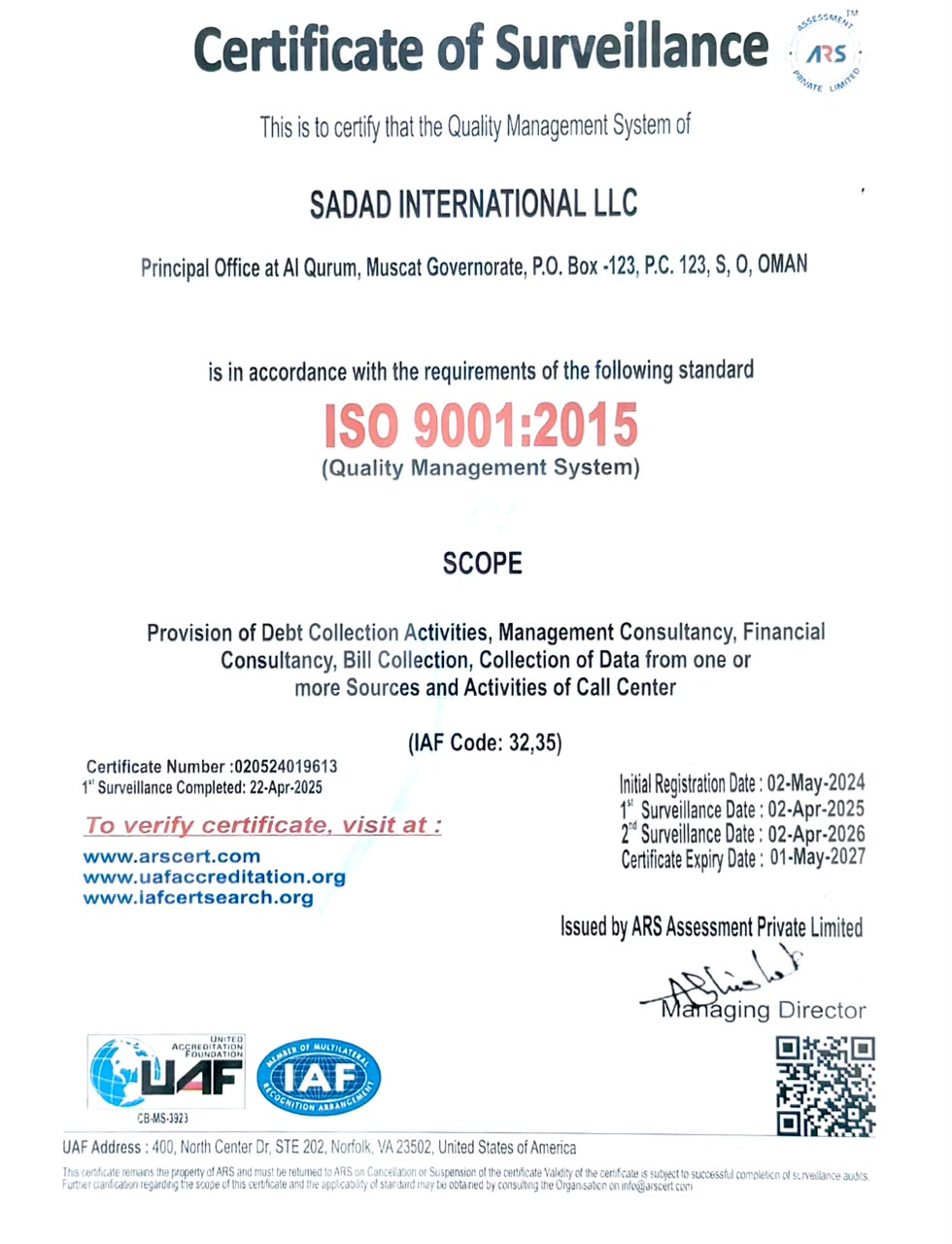
Sadad LLC operates under a valid DED licence and follows all UAE debt collection compliance standards across every case. Contact our UAE team to discuss ethical, effective debt recovery within the full legal framework.
This article is provided for general informational purposes only and does not constitute legal advice. Consult a licensed UAE lawyer for guidance specific to your situation.
.avif)
Comments
No comments yet. Be the first to comment.
Leave a Comment